Curb appeal

Res­id­ents seek answers after new recyc­ling sys­tem’s bumpy start

This article was written by David Rider and was published in the Toronto Star on January 5, 2026.

A key fig­ure in Ontario’s recyc­ling trans­ition says the new sys­tem has been set up in a need­lessly bur­eau­cratic way.

Allen Lang­don, chief exec­ut­ive of Cir­cu­lar Mater­i­als — the pack­aging industry’s non­profit that has taken over recyc­ling from muni­cip­al­it­ies as of Jan. 1 — told the Star that, in the years ahead, the province should move to a model that looks more like Brit­ish Columbia’s highly regarded pro­gram. Oth­ers, mean­while, are point­ing the fin­ger back at Cir­cu­lar Mater­i­als itself, say­ing the industry­friendly organ­iz­a­tion has slowed pro­gress and will be the face of a rol­lout they expect to be a “dis­aster.”

Lang­don knows the B.C. model. Years before he was hired by Cir­cu­lar Mater­i­als he helped set up North Amer­ica’s first “exten­ded pro­du­cer respons­ib­il­ity” regime in that west­ern province, one that is still con­sidered, more than a dec­ade later, a gold stand­ard for the recyc­ling industry.

It’s too late to stream­line Ontario’s sys­tem as muni­cip­al­it­ies handed off blue­box respons­ib­il­it­ies to Cir­cu­lar Mater­i­als, fun­ders of which include Loblaw, Costco, Coca­Cola and Keurig Dr Pep­per Canada, on New Year’s Day — “that ship has sailed,” Lang­don told the Star in an inter­view. But he’s hope­ful that, down the road, this province will adopt policies and prac­tices road­tested in B.C.

“Ontario’s sys­tem has cre­ated com­plex­it­ies and added admin­is­trat­ive bur­den, rather than the flex­ible approach B.C. took of con­tinu­ous improve­ment over a num­ber of years and sev­eral plans,” said Lang­don, who also over­sees Cir­cu­lar Mater­i­als oper­a­tions in Alberta, Nova Sco­tia, New Brun­swick and Yukon. From 2013 to 2018, he was man­aging dir­ector for Recycle B.C.

“Sim­pli­fy­ing Ontario’s sys­tem would make it cheaper, more flex­ible and more respons­ive.”

Lang­don said he doesn’t know why the Ford gov­ern­ment craf­ted a made­in­Ontario plan rather than fol­low B.C.’s example, adding, “They could have asked me, or oth­ers. I have no idea why they didn’t.”

A lack of flex­ib­il­ity

Ontario’s reg­u­la­tions are “hard­wired” into legis­la­tion and dif­fi­cult to change, Lang­don said, com­pared with B.C.’s more flex­ible launch that allowed some muni­cip­al­it­ies to stick with their own pro­grams until they felt com­fort­able switch­ing to the industry­run sys­tem.

Ontario cre­ated the Resource

Pro­ductiv­ity and Recov­ery Author­ity (RPRA) to reg­u­late and enforce the province’s “cir­cu­lar eco­nomy” laws, report­ing to the envir­on­ment min­is­ter. B.C. recyclers deal dir­ectly with Envir­on­ment Min­istry offi­cials, devel­op­ing five­year road maps for sys­tem improve­ment agreed upon by the province, industry and muni­cip­al­it­ies. Recyclers risk min­istry fines if they break the rules.

B.C. also has one “pro­du­cer respons­ib­il­ity organ­iz­a­tion” (PRO), a col­lect­ive of industry part­ners, per type of mater­ial col­lec­ted. Ontario has mul­tiple PROs per col­lec­ted mater­ial, some­times mak­ing dif­fer­ent decisions, as seen in Ontario’s troubled tire recyc­ling pro­gram.

He said Ontari­ans should see a mostly seam­less trans­ition with an expan­ded list of recyc­lables includ­ing black plastics, hot drink con­tain­ers, tooth­paste tubes and ice cream tubs. It’s industry that must grapple with extra cost and red tape, he added.

Some envir­on­ment­al­ists, however, are point­ing the fin­ger at Cir­cu­lar Mater­i­als and its waste­pro­du­cing mem­bers for Ontario’s trouble­some trans­ition to date and poten­tial prob­lems ahead.

A con­tam­in­ated pro­cess?

The Ford gov­ern­ment announced in 2021 that cor­por­a­tions mak­ing pack­aging waste would, over three years start­ing in 2023, fully assume the oper­a­tions and cost of recyc­ling from the muni­cipal patch­work of sys­tems and ser­vices partly fun­ded by industry.

Ontario’s then­envir­on­ment min­is­ter Jeff Yurek pre­dicted the switch would see more mater­ial recycled rather than go to land­fill. About half of the waste cur­rently col­lec­ted by the city goes to land­fill. Toronto offi­cials at the time fore­cast annual sav­ings of $15 mil­lion for the cash­strapped city, thanks to not hav­ing to col­lect and/or pro­cess blue bin con­tents as well as other recyc­lables, includ­ing haz­ard­ous waste such as paint and bat­ter­ies.

Early on, however, recyc­ling experts called the province’s plan a made­in­Ontario mish­mash so inde­cipher­able they doubted the trans­ition could launch in 2023. The Ford gov­ern­ment tabled reforms but con­tro­versy and policy reversals con­tin­ued.

Last June, the Envir­on­ment Min­istry pro­posed killing its plan to add blue box recyc­ling to apart­ments, con­dos, long­term­care and retire­ment homes that pre­vi­ously had private pickup. It also pro­posed a five­year delay in for­cing waste pro­du­cers to recycle mater­i­als from recept­acles in pub­lic spaces.

The Ford gov­ern­ment said it needed to reduce the bur­den on industry. Muni­cipal offi­cials pre­dicted an ava­lanche of extra waste to land­fill.

Final reg­u­la­tions pub­lished in Septem­ber delay by five years — rather than can­cel — require­ments to expand blue box into multi­res­id­en­tial build­ings not cur­rently in the muni­cipal recyc­ling sys­tem. Also, a much­cri­ti­cized pro­posal to sus­pend some of industry’s recyc­ling tar­gets for five years was reduced to a two­year grace period for waste pro­du­cers to make “best efforts” to hit tar­gets before facing poten­tial fines.

The Ford gov­ern­ment stuck to its plan, however, to relieve pro­du­cers of respons­ib­il­ity for pub­lic­space recyc­ling col­lec­tion and pro­cessing, put­ting the cost on muni­cip­al­it­ies, includ­ing Toronto, which now expects to annu­ally save only $10 mil­lion from the recyc­ling trans­ition.

Ontario reduces its tar­gets

Emily Alfred, a senior cam­paigner at Toronto Envir­on­mental Alli­ance, told the Star that adopt­ing B.C. recyc­ling prac­tices won’t fix an Ontario sys­tem head­ing for major waste woes.

Ontario muni­cip­al­it­ies are push­ing to accel­er­ate and expand the recyc­ling trans­ition, she said in an email, while “Cir­cu­lar Mater­i­als, along with pro­du­cers, have done a lot of advocacy to nar­row the scope and slow down Ontario’s reg­u­la­tions, which is the main cause of the prob­lems, along with ongo­ing changes that have made it impossible for muni­cip­al­it­ies to plan.”

Res­id­ents are learn­ing what they can put in their bin and who is pick­ing it up, Alfred said, “but the big­ger issue is that this is part of a sys­tem­atic erosion of recyc­ling and all waste pro­grams in Ontario.

“We’re expect­ing the new blue box sys­tem in Ontario is going to be a dis­aster.”

Alfred poin­ted to the province redu­cing its ini­tial recyc­ling tar­gets and allow­ing pro­du­cers to count the incin­er­a­tion of some mater­i­als toward 15 per cent of recyc­ling tar­gets.

Ash­ley Wal­lis, asso­ciate dir­ector of Envir­on­mental Defence, said there are draw­backs to the B.C. sys­tem com­pared to Ontario’s — if the new sys­tem is allowed to oper­ate prop­erly.

Hav­ing the RPRA as an arm’slength enforce­ment agency is import­ant to ensur­ing impar­ti­al­ity, as opposed to B.C.’s stream­lined sys­tem that makes the envir­on­ment min­is­ter “com­pli­cit in the pro­du­cers’ approach,” she said in an email.

Prep­ping for the switch

Even though they’ve stopped being respons­ible for recyc­ling, local gov­ern­ments expect to get an ear­ful from res­id­ents if things go wrong.

Toronto offi­cials recently urged people to not call 311 if they have a blue bin prob­lem, instead to reach out to Cir­cu­lar Mater­i­als, which will have a cus­tomer ser­vice line open only week­days and not all day, with after­hours callers being invited to leave a mes­sage.

One poten­tial point of con­fu­sion is the recyc­ling col­lec­tion sched­ule. Curb­side col­lec­tion days remain the same in Toronto, Wed­nes­day or Thursday, depend­ing on where you live.

However some res­id­ents in the old City of Toronto will see a switch in the altern­at­ing order of recyc­ling and garbage pickup. Affected res­id­ents received notices of the change, which is also on the city’s web­site.

The city says it has been work­ing with Cir­cu­lar Mater­i­als since 2023 to make the switch as pain­less as pos­sible, while not­ing “ser­vice gaps,” such as the city hav­ing to pick up recyc­lables from park bins and the delay in ser­vi­cing all multi­res­id­en­tial build­ings.

“The city is work­ing to fill these gaps, where pos­sible, so recyc­ling access and cus­tomer ser­vice remains strong,” said city spokes­per­son Krys­tal Carter.

Aurora was among muni­cip­al­it­ies to com­plain when res­id­ents were told they had to take hulk­ing 95gal­lon recyc­ling bins.

Mayor Tom Mra­kas said they have since been offered 65­gal­lon bins, but those are still dif­fi­cult for some people to handle. Mra­kas also said local gov­ern­ments have had to solve such prob­lems and shoulder the task of keep­ing res­id­ents informed.

“A stronger and earlier com­mu­nic­a­tions effort by Cir­cu­lar Mater­i­als would have gone a long way in eas­ing this trans­ition for res­id­ents,” Mra­kas said, adding that the Ford gov­ern­ment has been recept­ive and respons­ive to his feed­back.

Gary Wheeler, a spokes­per­son for Ontario Envir­on­ment Min­is­ter Todd McCarthy, said reg­u­la­tions to guide the trans­ition were intro­duced after “extens­ive con­sulta­tion” with muni­cip­al­it­ies and waste pro­du­cers, not­ing that, for the first time, the same recyc­lables will be col­lec­ted provincewide.

Cir­cu­lar Mater­i­als will work closely with com­munit­ies to ensure a smooth trans­ition, he said, while the RPRA will “closely mon­itor imple­ment­a­tion to ensure that pro­du­cers ful­fil all reg­u­lated require­ments.”

Ontario’s recyc­ling pro­gram for tires hits snag

Used tires could be incin­er­ated after eas­ing of reg­u­la­tions

This article was written by Patty Winsa and was published in the Toronto Star on December 15, 2025.

Ontario’s tire recyc­ling pro­gram has slowed to a crawl fol­low­ing the Ford gov­ern­ment’s decision to lower recyc­ling tar­gets earlier this year.

Thou­sands of old tires are now being stock­piled as organ­iz­a­tions respons­ible for tire recyc­ling meet lower tar­gets and reduce col­lec­tion and recyc­ling oper­a­tions.

Industry experts say the stock­piled tires could soon be sent to the U.S. for incin­er­a­tion, des­pite eco fees that con­sumers pay on tires to ensure they are recycled.

“This is a prob­lem that’s going to abso­lutely hit the con­sumers of Ontario,” said Adam Mof­fatt, exec­ut­ive dir­ector of the Ontario Tire Deal­ers Asso­ci­ation, which rep­res­ents more than 500 tire deal­ers, retail­ers, dis­trib­ut­ors, whole­salers and industry vendors.

More than 80 mem­bers of the asso­ci­ation have com­plained that their used tires aren’t being picked up, said Mof­fatt.

Con­sumers “may be told at some point in time in the com­ing weeks that they can’t drop (tires) off any­more,” said Mof­fatt.

The slow­down is the res­ult of changes made to pro­vin­cial reg­u­la­tions that came into effect in 2019. Those reg­u­la­tions made tire pro­du­cers — com­pan­ies that man­u­fac­ture or sell tires, or products with tires — respons­ible for man­aging tires at the end of their life, repla­cing a mono­poly held by Ontario Tire Stew­ard­ship, a gov­ern­ment agency, for dec­ades.

A num­ber of so­called pro­du­cer respons­ib­il­ity organ­iz­a­tions, or PROs, were set up in the province to man­age recyc­ling for tire com­pan­ies, which can choose which PRO they want to belong to.

The shakeup was inten­ded to pro­mote com­pet­i­tion and effi­ciency in the recyc­ling pro­cess.

But in Janu­ary, the Ford gov­ern­ment changed the reg­u­la­tions, redu­cing the recov­ery tar­get for tires from an 85 per cent col­lec­tion and man­age­ment rate to a 65 per cent man­age­ment rate, which means tire pro­du­cers have to recycle, retread or reuse 65 per cent of the tires, by weight, that they put on the Ontario mar­ket.

Melissa Car­law, vice­pres­id­ent of com­mu­nic­a­tions and sus­tain­ab­il­ity for eTracks Tire Man­age­ment Sys­tems, the largest PRO in Ontario, rep­res­ent­ing 70 to 80 per cent of the mar­ket, said the slow­down star­ted after another PRO that rep­res­en­ted 15 to 20 per cent of the tire industry stopped col­lect­ing tires in late sum­mer.

“Once other PROs met their man­age­ment tar­gets they slowed/stopped,” said Car­law in an email. “This has led to back­logs and they became more than eTracks — or any single PRO — could reas­on­ably absorb.”

Car­law said eTracks is try­ing to pick up the slack but can’t absorb the higher volume of tires that have come into in the mar­ket over the past few months. The non­profit organ­iz­a­tion, foun­ded by the Tire and Rub­ber Asso­ci­ation of Canada, a national trade group, is col­lect­ing any tires that have become prob­lem­atic “as we are noti­fied of them and send­ing them for recyc­ling,” said Car­law.

The pro­vin­cial reg­u­la­tions require PROs to con­tinue pick­ing up tires from gar­ages or auto­body shops, for example, that they have iden­ti­fied as sites in their col­lec­tion sys­tem.

But once a PRO has reached its recyc­ling tar­get, any excess tires from sites out­side its col­lec­tion sys­tem can be incin­er­ated.

The Resource Pro­ductiv­ity and Recov­ery Author­ity (RPRA), the pro­vin­cial agency that over­sees recyc­ling in Ontario, said it is aware of the situ­ation.

“Tire pro­du­cers and their PROs have been reminded that they must con­tinue to col­lect and man­age tires from all col­lec­tion sites that are part of their col­lec­tion sys­tem,” said Wilson Lee, RPRA’s chief of pro­grams and pub­lic affairs, in an email.

“RPRA is act­ively mon­it­or­ing com­pli­ance and will take action if pro­du­cers and PROs fail to col­lect tires from their col­lec­tion sys­tems,” said Lee.

The Min­istry of the Envir­on­ment, Con­ser­va­tion and Parks said in an email that it is work­ing with the author­ity to “address these dis­rup­tions to the col­lec­tion and pro­cessing of end­of­life tires.”

In Novem­ber, the Envir­on­ment Min­istry issued an order to CFT Recyc­ling, a site near Ott­awa, to address com­pli­ance issues related to the stock­pil­ing of tires. The min­istry has stayed the order while it reviews new inform­a­tion from the com­pany. Car­law, of eTracks, said her organ­iz­a­tion is cur­rently haul­ing tires out of the inde­pend­ently oper­ated site, and tak­ing them to a pro­cessor in Brant­ford.

The province has also lowered the num­ber of sites that PROs have to col­lect from in Ontario, from 4,872 to 4,332. In a small town, a PRO could still be required to col­lect from all the gar­ages or tire stores, based on that city’s pop­u­la­tion.

But in Toronto, where there are a myriad of stores that sell tires, or products with tires, a PRO can drop a site once they’ve reached their tar­get.

That means, for example, that a gar­age dropped by a PRO would have to pay to have its used tires hauled away, even if they are registered with that PRO — and even though eco fees, meant to cover recyc­ling costs, have already been paid by the con­sumer.

Before the col­lec­tion tar­gets were lowered by the province, PROs were col­lect­ing from more than 11,000 sites, accord­ing to data from RPRA.

It’s at least the second time that the com­pet­it­ive sys­tem brought in by the province has hit a major hurdle.

In 2023, one PRO col­lec­ted more tires than it needed to meet its oblig­a­tions on behalf of the tire pro­du­cers it worked for. The com­pany essen­tially held cred­its, as in tonnes of tires col­lec­ted, that other PROs needed to meet recyc­ling tar­gets for that year on behalf of their pro­du­cers.

Dozens of com­pan­ies faced poten­tial fines for not meet­ing 2023 tar­gets, but instead of buy­ing the cred­its from the other PRO, which tire pro­du­cers allege were over­priced, the tire pro­du­cers settled with RPRA for $7.44 mil­lion, essen­tially pay­ing the author­ity money that con­sumers had paid to them in eco fees.

The Ford gov­ern­ment changed tire recyc­ling reg­u­la­tions this year, redu­cing the recov­ery tar­get for tires from an 85 per cent col­lec­tion and man­age­ment rate to a 65 per cent rate.

AG flags over­sight gaps in bat­tery, tire recyc­ling

Lack of enforce­ment allow­ing some pro­du­cers `to avoid their oblig­a­tions’ to col­lect, recover waste

This article was written by Moira Welsh and was published in the Toronto Star on December 3, 2025.

The organ­iz­a­tion cre­ated to over­see the recyc­ling of tires, bat­ter­ies or elec­tron­ics in Ontario is not provid­ing proper over­sight of “low­pri­or­ity” pro­du­cers — giv­ing “free riders” a pass on enforce­ment, the province’s aud­itor gen­eral has found.

The Resource Pro­ductiv­ity and Recov­ery Author­ity (RPRA), a non­profit cor­por­a­tion that requires pro­du­cers to pay for the recyc­ling of their products, is “not effect­ively enfor­cing regis­tra­tion of smal­ler pro­du­cers, allow­ing some to avoid their oblig­a­tions to col­lect and recover waste,” said the report from aud­itor gen­eral Shel­ley Spence.

By focus­ing its enforce­ment on large pro­du­cers, RPRA allows smal­ler com­pan­ies to avoid over­sight even though “col­lect­ively their sup­ply could add up,” Spence’s report said.

RPRA agreed to the aud­itor gen­eral’s recom­mend­a­tions and said it would develop risk­based tar­gets “for address­ing low­pri­or­ity unre­gistered pro­du­cer cases,” the report said.

RPRA spokes­per­son Wilson Lee said the recom­mend­a­tions mainly focus on “oppor­tun­it­ies to improve our com­pli­ance and enforce­ment approach to small pro­du­cers who pose a low risk to the over­all sys­tem.”

Lee noted that RPRA’s over­sight of large­scale recyc­ling projects was con­sidered effect­ive and said “this approach puts resources where they will have the biggest impact on keep­ing waste out of land­fill and increas­ing resource recov­ery.”

The organ­iz­a­tion also over­sees the blue box pro­gram, but the recyc­ling of paper, plastic and alu­minum were not fully included in the audit due to gov­ern­ment changes, the report noted.

At the heart of the recyc­ling pro­gram — and the reason why fail­ures mat­ter — is the need to keep waste out of land­fills where, the aud­itor said, it risks “harm­ful chem­ical chem­ic­als leak­ing into the sur­round­ing soil or water and wast­ing valu­able mater­i­als that could oth­er­wise be reused.”

A recent report by Waste To Resource Ontario said the province gen­er­ated 16.88 mil­lion tonnes of waste in 2024, with 12.75 mil­lion tonnes taken to land­fills. The aud­itor found a series of over­sight prob­lems, includ­ing smal­ler pro­du­cers who fail to register for the recyc­ling pro­grams, defined by RPRA as “free riders” because they “avoid their oblig­a­tions and costs of col­lect­ing and recov­er­ing their waste.”

As of Dec. 31, 2024, the report said RPRA had poten­tially iden­ti­fied more than 1,800 such cases. Regis­tra­tion enables RPRA to track pro­du­cers’ com­pli­ance with the Resource Recov­ery and Cir­cu­lar Eco­nomy Act, but it was slow to pur­sue” low pro­file cases, the report said.

Data col­lec­tion was another prob­lem, the aud­itor said, lead­ing to com­plic­a­tions for some of the recyc­ling pro­grams.

The pro­du­cers — and the pro­grams that recycle their products — are expec­ted to provide detailed inform­a­tion on mater­i­als col­lec­ted so their per­form­ance can be ana­lyzed.

This was com­plic­ated, the report said, by min­istry changes to recyc­ling reg­u­la­tions.

The aud­itor said the RPRA has not begun to enforce data veri­fic­a­tion on any of its pro­grams except tire recyc­ling.

The Resource Pro­ductiv­ity and Recov­ery Author­ity said it would develop risk­based tar­gets “for address­ing low­pri­or­ity unre­gistered pro­du­cer cases”

PCs repeal city’s green roof bylaw

Province makes change without pub­lic notice via order ­in­ coun­cil

A patch of marigolds in the rooftop farm at Toronto Metropolitan University, one of more than 1,200 green roofs in the city. In addition to absorbing rainwater and preventing flooding by taking pressure off the city's aging storm sewers, green roofs provide insulation that reduces heating and cooling bills.
Toronto Star

MARCO CHOWN OVED CLIMATE CHANGE REPORTER DAVID RIDER SENIOR POLITICS REPORTER WITH FILES FROM KATE ALLEN

This article was written by Marco Chown Oved and David Rider, and was published in the Toronto Star on November 5, 2025.

The province has quietly killed Toronto’s green roof bylaw, a policy that pro­pelled the city to become a world leader in envir­on­mental con­struc­tion.

Even though the province had announced its inten­tion to repeal the require­ment for new large build­ings to install green roofs in the omni­bus Bill 60, the meas­ure was passed via order ­in­ coun­cil, without pub­lic notice on the eve of the first game of the World Series.

Last week, Ontario Hous­ing Min­is­ter Rob Flack’s office denied any know­ledge of the meas­ure being passed via decree. After the Star obtained a copy of the order, Flack’s office said the city can still have a green roof policy, but it could no longer be man­dat­ory.

“By mak­ing green roofs vol­un­tary, build­ers and tax­pay­ers have the flex­ib­il­ity of choice, while redu­cing unne­ces­sary costs and keep­ing Ontario work­ers on the job,” said Flack’s spokes­per­son, Alex­an­dra San­ita, in an email.

Not­ing that Toronto is the only city in Ontario with a law requir­ing green roofs on cer­tain build­ings, San­ita said get­ting rid of it would cre­ate a con­sist­ent build­ing stand­ard and reduce unne­ces­sary costs so that more infra­struc­ture and homes can be built.

“If these guys are so proud of this, why would they hide it in an order that no one knows about?” asked Mary­Mar­garet McMa­hon, a Lib­eral MPP and former city coun­cil­lor.

Toronto’s green roof bylaw was the first in North Amer­ica and has been imit­ated around the world. Lon­don, Seoul, Sydney, Copen­ha­gen and Chicago have all enacted sim­ilar legis­la­tion.

“As of today, the City of Toronto does not have the author­ity to enforce the Green Roof Bylaw,” said city spokes­per­son Christy Abra­ham on Monday, adding that it “will con­tinue to incor­por­ate green roof stand­ards in new build­ings con­struc­ted by the City and its Agen­cies, Boards and Com­mis­sions.”

Since the bylaw came into force in 2009, more than 1,200 green roofs have been installed across the city, totalling more than one mil­lion square metres and absorb­ing 550 mil­lion litres of storm­wa­ter annu­ally, accord­ing to city hall.

Green roofs run the gamut from a layer of dirt with simple grasses to heav­ier install­a­tions that can include trees and shrubs, or even rooftop farms that pro­duce veget­ables. In addi­tion to absorb­ing rain­wa­ter and pre­vent­ing flood­ing by tak­ing pres­sure off the city’s aging storm sew­ers, green roofs also provide a layer of insu­la­tion that reduces heat­ing and cool­ing bills. The city says green roofs have led to energy sav­ings equi­val­ent to power­ing 430 homes for a year, and green­house gas emis­sion reduc­tions equi­val­ent to tak­ing 500 cars off the road.

However, the green roofs appear to have become a cas­u­alty of the hous­ing crisis and a province determ­ined to reduce the cost of build­ing.

Res­id­en­tial Con­struc­tion Coun­cil of Ontario, an asso­ci­ation of developers, sued the city last year over the green stand­ards, claim­ing the city did not have the author­ity to man­date envir­on­mental stand­ards over and above the build­ing code. It said “select muni­cip­al­it­ies” were “duplic­at­ing efforts tak­ing place at upper­tier gov­ern­ments, slow­ing approvals and increas­ing costs to con­sumers.”

A 2017 cost ­bene­fit ana­lysis done for the city found that Toronto Green Stand­ards — which included green roofs and other envir­on­ment­ally friendly tech­no­lo­gies — would add 2.1 to 3.5 per cent to the costs of build­ing, com­pared to the min­imum require­ments in the Ontario build­ing code. They would also res­ult in life­cycle cost sav­ings of $1.15 to almost $2 per square foot from lower energy bills and other cost reduc­tions over 25 years.

The local industry and expert­ise that has sprung up to help developers com­ply with the green roof bylaw has led to unex­pec­ted bene­fits: many green roofs are now being installed even where they aren’t oblig­a­tory — on rel­at­ively small gar­age and lane­way house roofs.

Many of the estim­ated 1,600 jobs in the green roof industry are loc­ated in rural areas, said Jeremy Wright, co­owner of ZinCo Canada, a green roof man­u­fac­turer based in Carl­isle, Ont. Most of the oth­ers are blue­col­lar work­ers, like roof­ers and land­scapers.

“Our industry is just get­ting wiped out. No one had any clue this was hap­pen­ing,” said Wright, who was at Queen’s Park on Monday speak­ing to MPPs.

Green roofs have also been found to reduce the urban heat island effect, help­ing keep people cool, both inside and out, dur­ing heat waves.

Accord­ing to a poll released last month by the Toronto Envir­on­mental Alli­ance, more than 90 per cent of Toronto­n­ians sup­port require­ments that make build­ings safer from extreme heat and flood­ing.

In an email to the Star, a spokes­per­son for Mayor Olivia Chow said she was dis­ap­poin­ted with the province’s decision.

“For more than 15 years, Toronto’s Green Roof Bylaw has helped divert storm­wa­ter and reduce energy con­sump­tion and green­house gas emis­sions. Green roofs make life less expens­ive and more com­fort­able for res­id­ents.”

Why is Toronto considering burning its waste?

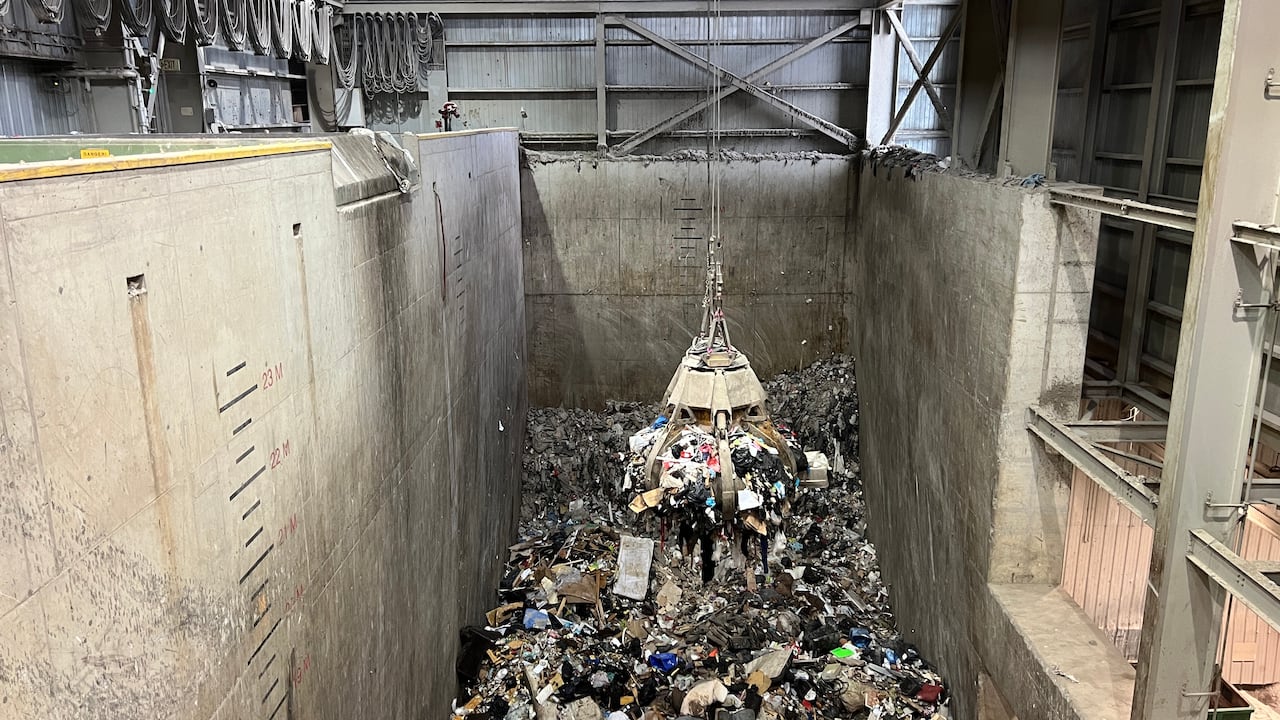
A large dangling grapple with metal arms is lifted into the air, while holding a black plastic bags and other garbage
A grapple with metal arms grabs a pile of garbage from a containment room at the Durham York Energy Centre. One load is sent to the boilers every 15 minutes. (Frédéric Pepin/Radio-Canada)

This article was written by Inayat Singh and was published by CBC News on October 23, 2025.

In most of North America, the solution to getting rid of garbage is simple: dump it in a landfill. Over the decades, landfills have evolved into modern engineered structures that are built to prevent leaks, smells and air pollution.

But despite the advances, nobody wants a garbage dump in their backyard, as the City of Toronto is finding out while it faces a looming disposal crisis. The city is set to run out of space at its main landfill site, the Green Lane Landfill near London, Ont., by 2035, so it asked 378 municipalities within a 500-kilometre radius of Toronto if they would be open to accepting waste or hosting a new landfill.

Not one said yes.

Extending the life of the present landfill is also a problem, because Indigenous communities near the site don’t support expanding it and say they already suffer from the pollution and smells coming from the site.

So the city is considering incineration, or energy-from-waste — burning the waste and producing some energy from it. It included incineration in its recent public survey seeking advice and opinions from residents on what to do with the waste. And Torontonians don’t have to look far to see examples: there are waste incinerators in the region in Brampton, run by a private company, and in Durham region, run by the regional municipal government.

The Durham facility can handle 140,000 tonnes of waste annually, and has a long-term plan to expand to 250,000 tonnes.

How do emissions stack up? 

Whether a landfill or an energy-from-waste facility is better from an emissions standpoint is disputed — and may come down to the specifics of a facility’s technology.

Reworld, the company that built the Durham facility, says it is better on greenhouse gas emissions than landfills, which emit carbon in the form of methane from decomposing waste. Their analysis is based on the estimated amount of energy generated by the facility and the amount of metals it recovers from the waste.

Jyoti Agarwal, director of environmental programs at Reworld, said the industry has been “plagued with the sort of ‘your grandfather’s incinerator’ perception with the public. But that technology has really moved on.”

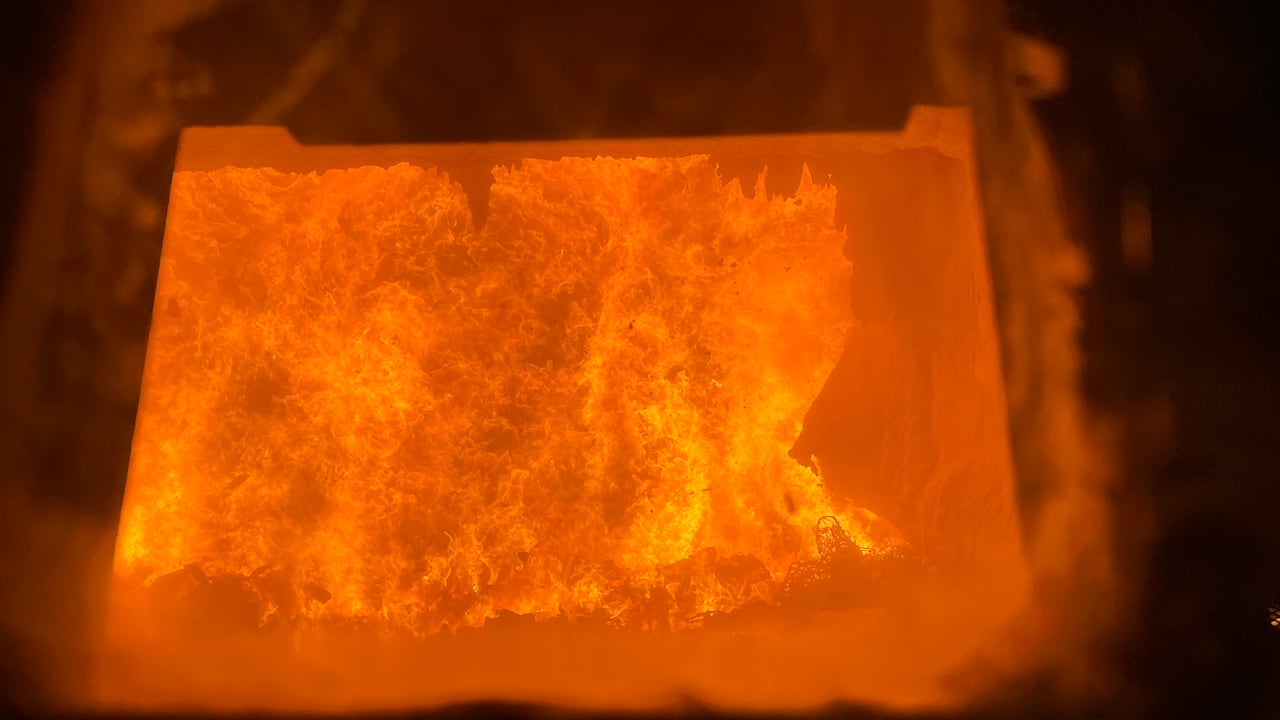
Huge orange flames are seen from the window of a boiler
A look inside one of the boilers at the Durham York Energy Centre. The waste-to-energy incinerator needs to burn non-stop in order to reduce emissions. (Frédéric Pepin/Radio-Canada)

However, the climate claims of incinerators are disputed. Environmental groups argue that modern landfills have equipment to capture the methane that comes off decomposing waste, making them a better option than burning garbage.

“We’re concerned that the greenwashing has really distracted people from the real solutions — which are reducing waste in the first place,” said Emily Alfred, waste campaigner for the Toronto Environmental Alliance. 

Previous peer-reviewed research in the U.S. also indicates that landfills that capture methane efficiently could have lower emissions than incineration. 

But Joe Lyng, general manager of Emerald Energy from Waste, the Brampton incineration facility, says those ideal conditions don’t always happen, and methane collection rates can vary widely depending on how well-designed the landfill is.

“Energy-from-waste has a meter at the end of our stack that measures every pound of carbon that comes out. Landfill greenhouse gas emissions are all based on computer models that are only as good as the science behind them,” he said.

The Brampton facility is currently planning to build a large expansion that would take it from 182,000 tonnes to 900,000 tonnes of waste annually.

Air quality

Greenhouse gases aren’t the only issue under debate. Peel Public Health, the agency serving the region the Emerald facility is in, has raised concerns the incinerator’s expansion could have adverse heart and lung health impacts. Health officials warned that the expanded facility could reach the limit, or exceed limits, of certain toxic pollutants, putting local residents at risk. 

Put alongside the various climate and environmental impacts of landfills, there doesn’t seem to be an easy answer to the region’s waste conundrum. Alfred called these “false choices” that don’t get to the real solution of cutting down on waste in the first place. She said that rather than spending millions on expensive solutions like incineration, the province should first try to cut down on the amount of garbage itself.

That includes ramping up producer responsibility programs to make manufacturers responsible for the waste from their products and improving diversion rates for organic and recyclable waste so it doesn’t end up in landfills.

“It is a wake-up call. It’s a reckoning,” she said of the looming landfill deadline. “Do we want to burn this stuff and inhale it?”

— Inayat Singh

Watered down recyc­ling pro­gram typ­ical of Ford

Toronto Star

This editorial was written and published by the Toronto Star on September 29, 2025.

On paper, it was a great idea: A new recyc­ling sys­tem that uses mar­ket forces to drive down costs and reduce house­hold pack­aging waste. In prac­tice, it has been a colossal let­down, another Ontario envir­on­mental ini­ti­at­ive where the envir­on­mental bene­fits got lost along the way.

On Jan. 1, Ontario’s new Blue Box regime will finally kick in in Toronto. The new sys­tem is the product of more than a dec­ade of plan­ning, lob­by­ing and com­prom­ise. It star­ted from a place of lofty ambi­tions and high ideals. It will end as something closer to a giant waste of every­one’s time.

The ori­ginal idea was solid enough. Make the com­pan­ies that pro­duce pack­aging waste pay to col­lect and recycle that waste. Doing that should cre­ate a fin­an­cial incent­ive for those com­pan­ies to use less pack­aging and to recycle more of the pack­aging they do use.

It’s almost eleg­ant, if it’s done right. Ontario, safe to say, hasn’t done it right.

The new Ontario sys­tem is based on an idea known as Exten­ded Pro­du­cer Respons­ib­il­ity (EPR). For years, Ontario muni­cip­al­it­ies were respons­ible for col­lect­ing and pro­cessing house­hold recyc­lables. The costs for those sys­tems were split between the muni­cip­al­it­ies them­selves and the pro­du­cers — the com­pan­ies that intro­duce the paper, plastic and metal pack­aging into the mar­ket­place.

Under the new Ontario sys­tem, the pro­du­cers are respons­ible for fund­ing and find­ing someone to run curb­side recyc­ling. If someone recently slapped a “Cir­cu­lar Mater­i­als” sticker on your recyc­ling bin, that’s the reason why.

Most, although not all, global experts see EPR as the gold stand­ard in house­hold recyc­ling. But — and this is a very big but — only when paired with high recyc­ling tar­gets and tough enforce­ment. Right now, the Ontario sys­tem is sched­uled to have neither. Instead, Doug Ford’s gov­ern­ment has essen­tially allowed industry to dic­tate the stand­ards them­selves; until 2028, there are essen­tially no stand­ards at all, only an industry com­mit­ment to “best efforts.”

The final Blue Box reg­u­la­tion pos­ted in Septem­ber does include some improve­ments from the last pro­posal released in June, espe­cially on flex­ible plastic. But over­all, it remains deeply unam­bi­tious. The gov­ern­ment has essen­tially punted most of the high recyc­ling tar­gets it once touted sev­eral — and in many cases, five — years down the line. It has deferred expan­ded col­lec­tion to multi­res­id­en­tial build­ings until 2031 and removed entirely the require­ment for expan­ded col­lec­tion in pub­lic spaces. What’s more, with less than four months to go until the trans­ition begins, the pro­vin­cial reg­u­lat­ory body in charge of the new sys­tem has yet to lay out how it intends to enforce what lax stand­ards there are.

None of this should come as a sur­prise. The Star’s busi­ness depart­ment has been writ­ing about the loom­ing dis­aster in Blue Box reform since 2022. To give the gov­ern­ment some credit, many of the logist­ical kinks have been ironed out since then. Sev­eral industry experts who spoke to the Star’s edit­or­ial board this week said they are reas­on­ably con­fid­ent that when the new sys­tem kicks in next year, most Toronto house­holds won’t notice a sig­ni­fic­ant dif­fer­ence in curb­side pickup.

What’s been lost along the way, however, is the entire reason this whole expens­ive and com­plic­ated pro­cess was launched in the first place. The gov­ern­ment’s rationale for the changes — to reduce costs on pro­du­cers — is self­defeat­ing. The whole point of the sys­tem is to get more mater­ial recycled. Without high costs and high stand­ards, there is no fin­an­cial incent­ive for that to hap­pen. It’s a mar­ket solu­tion with the mar­ket part taken out at the knees — a full dec­ade of sound and fury on the recyc­ling file reduced to almost noth­ing pro­duct­ive at all.

If this were a one­off, that would be bad enough. But the Blue Box fiasco has instead been a show­case for all the worst tend­en­cies of the Ford gov­ern­ment. It’s been incon­sist­ently designed, impuls­ively changed, and at times ideo­lo­gic­ally driven.

But more than that, the new curb­side recyc­ling regime is mis­aligned in a way that has come to define Ford’s ten­ure as premier. Put simply, the policy as cur­rently laid out, the one that will be spread­ing across the province next year, touch­ing vir­tu­ally every house­hold and loop­ing in many of Ontario largest com­pan­ies, has been so watered down it can no longer reas­on­ably be expec­ted to achieve the policy goals for which it was ori­gin­ally designed.

It’s a text­book example of Ford’s pat­en­ted brand of chummy cor­por­ate social­ism: To each accord­ing to who­ever has the premier’s ear last, from each accord­ing to who­ever was fool­ish enough to assume things were going to roll out as ori­gin­ally planned. The Blue Box fiasco has instead been a show­case for all the worst tend­en­cies of the Ford gov­ern­ment. It’s been incon­sist­ently designed, impuls­ively changed, and at times ideo­lo­gic­ally driven.

Good rid­dance to bad rub­bish: new weapons in war on trash

Solarpowered compacting garbage bins can hold more than the typical Toronto trash receptacle.

This article was written by Ben Cohen and was published in the Toronto Star on September 22, 2025.

The year was 1989. Bryan Sta­ley, a farm boy from Mary­land, had just star­ted his bach­elor’s in bio­lo­gical and agri­cul­tural engin­eer­ing at North Car­o­lina State Uni­versity. On a rare night away from his books, he took a trip to the cinema, where he saw a vis­ion of a future so stir­ring it made him want to ded­ic­ate his life to bring­ing it about.

Doc Brown, in the open­ing seconds of “Back to the Future Part II,” was gass­ing up his DeLorean with flat beer and a banana peel pro­cessed through a mini­ature fusion reactor.

“I was just fas­cin­ated by that scene,” said Sta­ley, now CEO of the Envir­on­ment Research & Edu­ca­tion Found­a­tion, a garbage research char­ity in the United

States and Canada. “It’s part of the reason I got into the waste industry. The­or­et­ic­ally, it’s pos­sible for us to, someday, advance to the point we can cre­ate pure energy from any kind of mass. As a sci­ent­ist, I’m fas­cin­ated by that.”

Sta­ley said human­ity is, sadly, “way far away” from devel­op­ing the “Mr. Fusion” device seen under the hood of Doc’s mobile time machine.

But Sta­ley and his peers are still keen to turn rub­bish into power, to cre­ate a per­fectly “cir­cu­lar eco­nomy” where noth­ing goes to waste. The sooner the bet­ter. Earth today is buck­ling under the 2.1 bil­lion tonnes of solid waste cit­ies gen­er­ate each year, a num­ber pro­jec­ted to grow by 80 per cent to 3.8 bil­lion by 2050, accord­ing to the UN Envir­on­ment Pro­gramme.

Toronto, for its part, cre­ates 0.1 per cent of the global trash total, an estim­ated 2.1 mil­lion tonnes annu­ally, the city said in a report last year. As the city’s cur­rent land­fill at Green Lane in south­west­ern Ontario nears capa­city, the idea of a cir­cu­lar eco­nomy becomes even more press­ing.

The Star spoke with Sta­ley and other garbage research­ers to see what novel waste dis­posal tech­no­lo­gies human­ity is work­ing on while we wait for someone to invent Mr. Fusion.

Arti­fi­cial Intel­li­gence and robot­ics

Maybe the inventor of a per­fect “waste­fuel” device won’t be a someone — maybe it will be a something.

We could be on the pre­cip­ice of the tech­no­lo­gical sin­gu­lar­ity, Sta­ley said, the moment when arti­fi­cial intel­li­gence sur­passes our own, which could lead to sci­entific advance­ments we can’t even con­ceive of. Or, in this case, it could help reveal solu­tions that may have been right in front of us all along.

“Some expect that waste­fuel is reli­ant on only base advances in our under­stand­ing of the world and how things work,” he said. “I’m optim­istic we can get there. A hun­dred years ago we didn’t have microwaves. We didn’t have nuc­lear energy. We barely had the auto­mobile. I think the future could be very bright.”

Step­ping back from the realm of sci­ence fic­tion, there are some mod­ern­day applic­a­tions of AI that could greatly improve how cit­ies deal with trash.

In Toronto, about half of waste col­lec­ted by the city from homes and apart­ments is sent to land­fill, accord­ing to a spokes­per­son. AI’s super­hu­man sort­ing cap­ab­il­it­ies could be of use here, experts say. A garbage truck could be equipped with a cam­era that could scan trash, determ­ine if there are any organ­ics con­tam­in­at­ing it and auto­mat­ic­ally refuse pickup unless a homeowner prop­erly sorts their bins, Sta­ley said.

A pilot project in the city of Leduc, Alta., had suc­cess with something like this in 2023 and ’24. Cam­eras with AI detec­tion cap­ab­il­it­ies on garbage trucks scanned for con­tam­in­ants and sent post­cards to the fam­il­ies respons­ible for them to edu­cate them about proper sort­ing. This halved the res­id­en­tial recyc­ling con­tam­in­a­tion rate for the city, accord­ing to a local media report.

Toronto may be get­ting the same AI­powered scold­tech soon. Allen Lang­don, CEO of Cir­cu­lar Mater­i­als, a non­profit that will begin man­aging recyc­ling in Toronto next year, told the Star the com­pany is in the “early stages of test­ing sensor tech­no­logy on curb­side col­lec­tion trucks,” but is “optim­istic” about its poten­tial.

AI could also be used to mon­itor com­mer­cial dump­sters and only flag them as ready for pickup when they are full and con­tam­in­ant­free, instead of hav­ing reg­u­larly sched­uled vis­its from garbage trucks, Sta­ley said. Then, there could be one final layer of AI defence at sort­ing facil­it­ies.

“One of the biggest chal­lenges with recyc­ling is in sort­ing out the con­tam­in­a­tion,” he said. “There are optical sort­ing tech­no­lo­gies now that are being driven by AI where, when a cam­era sys­tem sees a piece of con­tam­in­a­tion, it does a quick iden­ti­fic­a­tion and then trig­gers a robot arm that grabs it off the con­veyor belt before it ends up get­ting into the bin where the good mater­i­als are.”

Earlier this year, a recyc­ling facil­ity in Seattle had four such robots installed.

Char­lotte Ueta, act­ing dir­ector of Toronto’s solid waste man­age­ment policy and plan­ning, said the city is “broadly” inter­ested in advance­ments like these, but has no imme­di­ate plans to acquire any.

“I can’t say that we have any par­tic­u­lar tech­no­logy that we are explor­ing cur­rently,” she said. “But for our long­term man­age­ment strategy, we did soli­cit and do a jur­is­dic­tional scan to see what else is out there that we can look to poten­tially pilot or imple­ment in our sys­tem.”

Plastic­eat­ing crit­ters

If arti­fi­cial life can’t save us from all the trash, maybe some spe­cial­ized, good old­fash­ioned organic life is what we need?

A land­fill is a “micro­bi­ally medi­ated envir­on­ment,” Sta­ley said, which is a “fancy way to say there’s bugs in the land­fills that break down waste.”

That’s great, but with the amount of garbage people pro­duce, we need hun­grier bugs with less­dis­cern­ing pal­ates. In par­tic­u­lar, sci­ent­ists are look­ing to develop plastic­eat­ing crit­ters, since plastic does not decom­pose; rather, it breaks down into micro­plastics that end up in our bod­ies.

Right now, sci­ent­ists are exper­i­ment­ing with using CRISPR, a power­ful gen­ome edit­ing tool, to design plastic­degrad­ing organ­isms. Nature also seems to be help­ing. In 2001, Japan­ese sci­ent­ists dis­covered bac­teria break­ing down and meta­bol­iz­ing plastic out­side a bottle­recyc­ling facil­ity. French sci­ent­ists in 2020 also isol­ated an enzyme that breaks down plastic and mutated it inside bac­teria to make it 10,000 times more effi­cient.

These are prom­ising innov­a­tions but it remains to be seen whether they are eco­nom­ic­ally viable, experts say. (This is also the reason we can’t shoot garbage into space — too expens­ive.)

Another prob­lem is that land­fills can be dif­fi­cult places for even the har­di­est creatures to sur­vive. “Part of the man­age­ment strategy for a land­fill is to com­pact it as densely as pos­sible, which can cre­ate restrict­ive water move­ments and, as we know, microbes need water to live, just like the rest of us,” said Sta­ley.

High cost of `advanced recyc­ling’

One rel­at­ively new, con­tro­ver­sial strategy pre­vi­ously endorsed by the Doug Ford gov­ern­ment is what’s known as “advanced recyc­ling” — the pro­cess of break­ing down non­re­cyc­lables with heat or chem­ic­als. Crit­ics, includ­ing Toronto Envir­on­mental Alli­ance and the Centre for Cli­mate Integ­rity, two envir­on­mental non­profits, say it is eco­lo­gic­ally dis­astrous, far too expens­ive and inef­fi­cient.

“The plastic com­pan­ies are cer­tainly tout­ing it as this new thing that is going to solve everything,” said Chelsea Roch­man, assist­ant pro­fessor in the depart­ment of eco­logy and evol­u­tion­ary bio­logy at the Uni­versity of Toronto and head of the Trash Team, the uni­versity’s garbage edu­ca­tion organ­iz­a­tion. “But it isn’t fully developed.”

A pilot project in Whitby in 2019 used pyro­lysis, a type of advanced thermal recyc­ling, to turn singleuse plastics into fuel. But this tech­nique, which involves heat­ing plastic in a vir­tu­ally oxy­gen­free envir­on­ment, is costly and can’t yet be scaled.

In 2022, the province made advanced recyc­ling easier by grant­ing some projects exemp­tions from envir­on­mental assess­ments. The Star asked the Min­istry of the Envir­on­ment, Con­ser­va­tion and Parks how wide­spread the adop­tion of chem­ical and thermal recyc­ling had become in Ontario since then and how it would respond to crit­ics of the prac­tice. A spokes­per­son did not respond to the ques­tion of how many facil­it­ies in Ontario use advanced recyc­ling and which tech­niques they employ.

“Muni­cip­al­it­ies and the private sec­tor are respons­ible for select­ing and imple­ment­ing the waste man­age­ment tech­no­logy that best suits their spe­cific situ­ation,” said Lind­say Dav­id­son.

“The min­istry does not endorse or require any spe­cific waste man­age­ment tech­no­logy. All approved waste pro­cessing facil­it­ies in Ontario are required to oper­ate in a man­ner that pro­tects human health and the envir­on­ment.”

Garbage­can pilot pro­gram

Roch­man, from U of T, spoke effus­ively about a garbage­can pilot project in Sankofa Square that, if spread throughout Toronto, could make the city a lot cleaner. Accord­ing to her team’s research, an estim­ated 3,500 tonnes of plastic lit­ter hit Toronto streets in one year. Of that, 3,000 tonnes were from “mis­man­aged waste,” typ­ic­ally from over­flow­ing trash cans and fur­ther spillage from them when they are loaded into garbage trucks.

The Sankofa bins are an anti­dote to this issue, Roch­man said. They have built­in solar­powered com­pac­tion, which lets them store four times as much rub­bish as a reg­u­lar Toronto can.

“They have to be emp­tied way less, so we don’t see over­flow,” she said. “They don’t smell as much because they’re not open and don’t get broken into. They’re a stronger, more dur­able bin.”

Win­nipeg, Hal­i­fax and New York are some of the North Amer­ican cit­ies that have installed the bins, with New York find­ing they helped keep rats out of parks because these cans are harder for them to break into. (A study this year found Toronto’s rat pop­u­la­tion is grow­ing faster than New York’s.)

In 2009, Phil­adelphia replaced 700 tra­di­tional bins with 500 sol­ar­powered com­pact­ors. The city repor­ted sav­ings of $720,000 a year from this move because it allowed them to reduce garbage col­lec­tion trips from 17 per week to five. Win­nipeg approved a $135,000 pilot in 2019 to pur­chase 15 solar bins.

Toronto determ­ined it would be too expens­ive to buy the cans, a spokes­per­son told the Star.

“The city explored pilot­ing the solar bins found at Sankofa Square; however, based on pri­cing, a pilot and any broader deploy­ment of the bins was determ­ined to be cost­pro­hib­it­ive,” said Krys­tal Carter. Instead, she said the city gave the Down­town Yonge Busi­ness Improve­ment Area a grant, which paid to install two bins near the square last sum­mer.

Cheryll Diego, pub­lic realm exper­i­ence man­ager for the BIA, said while data is still being col­lec­ted on the solar bins’ per­form­ance, they seem to have con­trib­uted to a visu­ally and olfactor­ily super­ior street around them. “One of the issues we had before … was stench,” she said. “We’ve seen a huge reduc­tion in that.”

`There is no sil­ver bul­let’

To Mark Win­field, pro­fessor in the fac­ulty of envir­on­mental and urban change at York Uni­versity and head of its “Waste Wiki” garbage research project, the solu­tion to the prob­lem­atic pro­lif­er­a­tion of rub­bish won’t be found in a lab.

It needs to come out of par­lia­ments, factor­ies and homes. Gov­ern­ments need to force man­u­fac­tur­ers to build longer­last­ing products made out of recyc­lable mater­i­als, and con­sumers need to slot them in the right bins when they’re through with them.

“There’s no sil­ver bul­let,” he said. “You’ve just got to design things for dur­ab­il­ity, and you’ve got to design them for dis­as­sembly and recyc­ling. Things that last long, so you don’t have to throw them out, but that are con­struc­ted in such a way that when that day comes, you can max­im­ize the amount of usable com­pon­ents and mater­i­als that you can recover. This is where the Europeans are at.”

Last year, the European Union passed a law man­dat­ing a series of “eco­design require­ments” to do just what Win­field described. Europeans also have a bet­ter recyc­ling cul­ture, said Sta­ley: “If you go to a typ­ical home in Sweden, you’ll have six recyc­ling bins. They don’t have just a blue box pro­gram like Toronto; they have dif­fer­ent bins and you sort them in six dif­fer­ent ways in your home and then they’re picked up.”

This is to their bene­fit — it increases land­fill diver­sion — but it may also be hold­ing them back long­term, Sta­ley con­tends. North Amer­ic­ans hun­ger for futur­istic garbage tech­no­logy because they can’t be bothered to recycle so fas­ti­di­ously.

“Some of the greatest advance­ments in recyc­ling facil­it­ies seem to be hap­pen­ing in North Amer­ica because we have con­sumers who don’t want to sort things in the kit­chen.”

I’m optim­istic we can get there. A hun­dred years ago we didn’t have microwaves. We didn’t have nuc­lear energy. We barely had the auto­mobile. I think the future could be very bright.

BRYAN STALEY, CEO, ENVIRONMENT RESEARCH & EDUCATION FOUNDATION

A cam­era with AI detec­tion cap­ab­il­it­ies could help cut the amount of recyc­ling that gets rejec­ted due to con­tam­in­a­tion.

Zero waste war­ri­ors

As city’s land­fill nears capa­city, some have embraced a min­im­al­ist life­style

Quentin de Becker, Cristina Cornejo and their daughter Lou try to find ways to reduce waste and limit the use of plastics.

This article was written by Mahdis Habibinia and was published in the Toronto Star on September 16, 2025.

As city’s land­fill nears capa­city, some have embraced a min­im­al­ist life­styleSaveListenSharePrintMore

Quentin de Becker’s daugh­ter, Lou, isn’t quite ready to give up her tooth­pastes themed with some of her favour­ite films.

Buy­ing the eight­year­old “Min­ions” or “Frozen” tooth­paste rather than refilling a glass con­tainer is just one of the ways de Becker and his wife, Cristina Cornejo, try to meet their daugh­ter halfway. Lou is still learn­ing the value of redu­cing waste in their house­hold.

“It’s been a bit rocky to encour­age her to under­stand the vir­tue of the zero waste move­ment,” de Becker said. “But, there’s a feel­ing of accom­plish­ment and ful­fil­ment that you get from small changes in your home and to see the size of your (garbage) bins decreas­ing.”

Toronto is expec­ted to run out of land­fill space by 2035. Recyc­ling only gets house­holds so far and recyc­lables from pub­lic lit­ter bins are rarely diver­ted. While the city is try­ing to move toward a more cir­cu­lar eco­nomy where products are renewed, reused and recovered as part of its long­term waste man­age­ment strategy, it describes a zerowaste future as “aspir­a­tional.”

Toronto­n­ians ded­ic­ated to redu­cing their house­hold waste agree: Gen­er­at­ing zero garbage is not real­istic. Still, some say the best way indi­vidu­als can con­trib­ute to the city’s goals is by not buy­ing excess pack­aging in the first place and reusing what mater­i­als they can. The goal isn’t to be per­fect, they said, but to pull together and do their part while city hall does its part.

Toronto­n­ians that the Star spoke with have chalked up how they man­age min­imal waste to a few factors: con­scien­tious­ness and per­sever­ance, plan­ning and cre­ativ­ity, and com­prom­ising where needed.

The city is try­ing to move toward a more cir­cu­lar eco­nomy where products are renewed, reused and recovered as part of its long­term waste man­age­ment strategy

Pro­du­cing zero waste is espe­cially dif­fi­cult in a city, said Michelle Genttner, who grew up in farm­ing areas with a con­ser­va­tion mind­set.

Zero waste can be a goal, she said, but it’s more real­istic to aim to avoid single­use plastics and excess pack­aging wherever pos­sible, or buy pack­ages that come in alu­minum, paper or glass, which have the highest levels of recyc­lab­il­ity.

“It’s as simple as just being aware of what you’re buy­ing and why,” Genttner said. “Why do we use fab­ric softener sheets? They’re not good for you. Why have we been told that clean needs to have a smell?”

Genttner owns Unboxed Mar­ket in Little Por­tugal, a plastic­free and pack­age­free store meant to help Toronto­n­ians reduce their house­hold waste, and she fre­quently shops from it her­self. Cus­tom­ers can buy items in bulk, refill toi­letry products like sham­poo or laun­dry deter­gent, grind their own pea­nut but­ter into reusable con­tain­ers and weigh con­tain­ers brought from home before filling them with dry goods or poultry.

“Don’t try to fix or change everything all at one time. It’s over­whelm­ing,” Genttner said. “It’s often easier if you start with one area of the home.”

For Tyler Rooney, even if it’s one part of the home, chan­ging the products you use and how or where you shop can require per­sever­ance at times and the will­ing­ness to tol­er­ate a trial­and­error phase.

“Try­ing to buy (qual­ity) deodor­ant that’s not in plastic con­tain­ers is pretty hard,” Rooney said. “There were brands I tried that went out of busi­ness. Then you try something else and you’re like, `Oh, this is just not a good product.’ ”

There can also be a time suck involved with redu­cing waste, like going to the bulk store for cer­tain items, then going to the farmer’s mar­ket for oth­ers, said Jen­nifer Bar­toli. “But I think if you’re ded­ic­ated to mak­ing a change, it kind of becomes big­ger than the sum of its parts.”

Genttner says that redu­cing waste can also save you money when, for example, you buy items in bulk. Or you grind your own cof­fee beans at a store with refil­lable glass jars to then make cof­fee at home and carry in a ther­mos rather than buy­ing at cof­fee shops reg­u­larly.

Chantal Stepa, however, finds that afford­ab­il­ity depends on the product and place. For example, she said, low­ waste stores can be more expens­ive than large gro­cery stores because they put in the effort to ensure they’re sourcing eth­ical and sus­tain­able products so it’s bio­de­grad­able or pro­duced loc­ally.

“So you can end up pay­ing a little bit more because of the qual­ity of the product,” Stepa said.

“But I find shop­ping at farmer’s mar­kets I’m not spend­ing more because I’m buy­ing exactly what I need.”

For Bar­toli, cre­ativ­ity and resource­ful­ness also help, such as encour­aging her two kids, aged four and six, to get artistic with pamph­lets or old egg car­tons. As a fam­ily, she said, they’ve cut out magazines into flowers and dec­or­ated her kids’ bed­room door, and they recently cre­ated a doll­house­sized haunted house from pieces of card­board.

Bar­toli has monthly cal­en­dar remind­ers for her­self to take stock of her pantry as well so she doesn’t buy what she doesn’t need and she abides by an old res­taur­ant rule “first in, first out” to make sure her older gro­cer­ies are con­sumed first.

Bar­toli said she incor­por­ates into new recipes parts of pro­duce com­monly thrown away, such as broc­coli stalks (which she said make for a tasty slaw or an addi­tion to cooked pasta) or car­rot greens (which she said she sautés and adds to a vari­ety of entrees).

“There’s also a huge mar­ket in Toronto for second­hand cloth­ing shops, espe­cially for young chil­dren,” Bar­toli said, adding those shops can be cheaper than buy­ing new. “There are so many items you’ll be able to find that are often­times so new the tags are still on them.”

Then there are other life­style choices that force people to keep the same amount of waste in one area of their life, like own­ing spe­cific pets.

“I did have a cat before,” said Stepa. “Things like cat lit­ter or cat food are almost impossible to find in bulk … Or if your pet is on a spe­cialty diet, you have to get that food from the vet and it’s going to come in large plastic bags.”

Some­times other com­prom­ises are a must, even if you can gen­er­ate less waste, because the effort to do so proves to be too incon­veni­ent.

“When our first kid was born, there was cloth diapers and that was def­in­itely a lot,” Rooney said. “We still used dis­pos­able diapers for infants overnight, because logist­ic­ally it was not worth the trade off in terms of los­ing more sleep.”

Quentin de Becker and Cristina Cornejo know all about trade­offs. They still buy Lou her favour­ite tooth­paste, but de Becker said they’ve taught her to replace plastic water bottles with reusable ones and to be amen­able to second­hand cloth­ing from Value Vil­lage.

“The other day, I for­got to bring my water bottle in the heat, so I had to get a plastic one and my daugh­ter said, `Oh, what! Papa! You’re using plastic!’ ” de Becker said. “It was really sin­cere.”

“On the other end of that, (my daugh­ter) will make it a point to say she wants to buy plastic water bottles when she’s mad at me.”

Quentin de Becker and Cristina Cornejo make use of reusable con­tain­ers as a way to pur­chase less pack­aging when shop­ping for food.

City’s dirty little recyc­ling secret

This article was written by Ben Spurr and was published in the Toronto Star on September 15, 2025.

It’s Toronto’s dirty little secret, and it leads to a lot of waste.

The 10,500 lit­ter bins dotting the city’s side­walks may have slots labelled “Recyc­ling,” but if you think that the pop cans, cof­fee lids and card­board con­tain­ers dropped into them are being reused, think again.

In fact, less than one per cent of the 5,000 tonnes of refuse depos­ited in street lit­ter bins every year is actu­ally diver­ted from the garbage stream, accord­ing to city staff. That’s because any recov­er­able mater­ial is either so dirty or mixed in with non­re­cyc­lable items that it’s imprac­tical to extract, and it ends up in land­fill.

Staff have acknow­ledged the vast major­ity of mater­ial in other pub­lic recyc­ling bins, such as those in parks, is also treated as garbage.

Among the most com­mon non­re­cyc­lable mater­i­als incor­rectly placed in pub­lic recyc­ling bins are dog poop, food scraps and black plastics, accord­ing to the city.

Char­lotte Ueta, act­ing dir­ector of policy, plan­ning, and out­reach in Toronto’s solid waste man­age­ment ser­vices, con­ceded that less than one per cent is not an ideal recyc­ling rate.

“We recog­nize that this is a chal­lenge,” she said. But she stressed that it’s a prob­lem faced by most cit­ies, espe­cially ones like Toronto that every year wel­comes mil­lions of out­of­town­ers who may not be famil­iar with local recyc­ling rules.

Still, if it’s a com­mon prob­lem, it’s one that many people walk­ing Toronto’s streets aren’t aware of.

Justin Rogers, who dropped a piece of lit­ter into the recyc­ling slot of a bin at Yonge and Dun­das Streets on a recent week­day morn­ing, assumed that most of what’s in the recept­acles gets reused.

“They take it to the recyc­ling depot and they pro­cess it and it gets recycled,” he told a reporter when asked where he thinks the mater­ial goes. He was sur­prised to learn so little is diver­ted. “That’s not good,” said Rogers, a transit oper­ator. “Because we need to take care of the Earth. We need to cut down on lit­ter. We don’t want it going into trash and land­fills.”

Ellie Eplett said she was hope­ful the Tim Hor­tons cup she dropped in a side­walk bin on Par­lia­ment Street was recycled, but she wasn’t shocked to hear it prob­ably wouldn’t be.

“I learned in school the best thing you could do” is to pro­duce less waste in the first place, “because recyc­ling is not like an eraser,” said Eplett, who works in gov­ern­ment. “You know a lot of stuff says it’s recyc­lable, it’s not actu­ally.”

Ash­ley Wal­lis, asso­ciate dir­ector of advocacy group Envir­on­mental Defence, said “it’s not sur­pris­ing” that so little of what’s in pub­lic bins is recycled, “but it is dis­ap­point­ing.”

She said the city shouldn’t shoulder most of the blame, however. Instead, she poin­ted the fin­ger at a plastics industry that has for dec­ades been telling the pub­lic that much of what it makes can be recycled, when in fact it’s often not prac­tical for muni­cipal pro­grams to do so. She cited plastic films and snack pack­ets as examples of items res­id­ents might think can be reused, but usu­ally can’t.

“One of the major chal­lenges for muni­cipal recyc­ling for the last prob­ably 10 to 20 years has been that the kinds of mater­i­als the pro­du­cers are put­ting on the mar­ket are much more com­plic­ated and chal­len­ging to recycle, full stop,” Wal­lis said.

Wal­lis said that while the people using street bins bear some respons­ib­il­ity for low diver­sion rates — any­one put­ting dog poop bags in the recyc­ling com­part­ment isn’t help­ing — the city does have a role to play. But she’s been encour­aged by improved sig­nage Toronto has been apply­ing to recept­acles in recent years that make it clear what can and can’t go in the bins.

Ueta said the city could expand efforts like that. It’s cur­rently work­ing on an update to its waste­man­age­ment strategy, to help achieve what the muni­cip­al­ity describes as its “aspir­a­tional” goal of zero waste.

Staff are sched­uled to report back next year on an updated approach, and Ueta said it could include rep­lic­at­ing meas­ures the city has been test­ing in recent years. For instance, in 2021 it installed spe­cial­ized lids on 300 park recyc­ling bins that had open­ings that could only fit bever­age cans and bottles, and car­ried clear sig­nage about what was accep­ted. Data showed the lids can help increase the amount of recyc­ling col­lec­ted in parks.

Ueta doesn’t buy that put­ting “recyc­ling” labels on side­walk lit­ter bins amounts to false advert­ising. Rather than remove the sig­nage, she said the city would prefer to “pro­mote pos­it­ive beha­viour and actu­ally (get) folks util­iz­ing the recyc­ling com­part­ment” prop­erly.

“We want to build on the suc­cesses” the city has already had, “and just enhance it with more pub­lic edu­ca­tion,” she said.

“ One of the major chal­lenges for muni­cipal recyc­ling for the last prob­ably 10 to 20 years has been that the kinds of mater­i­als the pro­du­cers are put­ting on the mar­ket are much more com­plic­ated and chal­len­ging to recycle.

ASHLEY WALLIS ENVIRONMENTAL DEFENCE

Trash talk

With the city’s land­fill approach­ing capa­city, the search for a new solu­tion is get­ting messy

An aerial view of the Green Lane Landfill, which has been Toronto's main waste disposal facility since 2011. The 320acre facility is just southwest of London, Ont.

This article was written by Ben Spurr and was published in the Toronto Star on September 14, 2025.

With the city’s land­fill approach­ing capa­city, the search for a new solu­tion is get­ting messy

Two and a half hours down High­way 401, off a dusty two­lane road, is a sliver of land most Toronto­n­ians will never see, but that each one of us is intim­ately con­nec­ted to.

From a dis­tance, the only clues to the prop­erty’s pur­pose are the unnat­ural­look­ing berms around its edges shield­ing it from passing eyes, and a faint sickly smell waft­ing off the 18­wheel­ers that arrive reg­u­larly at its gates, some­times as often as every one or two minutes.

This is the Green Lane Land­fill, the 320­acre facil­ity south­w­est of Lon­don, Ont., where Toronto has been send­ing almost all its garbage for more than a dec­ade. Since 2011, every baby wipe, potato chip bag, nail clip­ping or shiny wrap­ping paper Toronto­n­ians have thrown in their trash has likely ended up here, bur­ied among the 420,000 tonnes of waste car­ted annu­ally to the site.

Toronto, it turns out, won’t be able to ignore Green Lane for much longer. The city estim­ates it will reach capa­city by 2035, and has already begun the urgent work of fig­ur­ing out where to put its trash once the site can’t take any­more. An update on its plans is expec­ted as early as this month.

Although the land­fill’s end date is a dec­ade away, it could take at least that long to secure or build a facil­ity to handle the city’s waste. And find­ing a solu­tion won’t be easy: Pro­vin­cial reg­u­la­tions have made build­ing new land­fills in Ontario dif­fi­cult, so Toronto may have to loc­ate an exist­ing dump to buy or expand, or take the con­tro­ver­sial step of incin­er­at­ing its garbage.

There’s also the pos­sib­il­ity of expand­ing Green Lane, but that’s an option opposed by lead­ers of a nearby First Nation.

“We all want it shut down ASAP,” Chief Todd Cor­nelius of the Oneida Nation of the Thames told the Star.

No mat­ter which route Toronto chooses, its decision looks likely to raise con­cerns about envir­on­mental and health impacts, and risks anger­ing whichever com­munity is the next recip­i­ent of the trash from Canada’s biggest city.

In other words, the future of Toronto’s garbage is messy.

Toronto’s dilemma is hardly unique. How a soci­ety dis­poses of its waste is a prob­lem that has vexed humans since the earli­est set­tle­ments. The chal­lenge has spawned tech­no­lo­gical advances — pol­lu­tion in the Tiber River promp­ted the Romans to build aque­ducts — and in cases where it hasn’t been addressed, sparked pub­lic health dis­asters (see the garbage­dwell­ing rats that helped spread the Black Death through 14th­cen­tury Europe and Asia).

In his 1997 novel “Under­world,” author Don DeLillo asser­ted that civil­iz­a­tion itself arose in response to the com­plic­ated task of dis­pos­ing of waste. “Civil­iz­a­tion did not rise and flour­ish as men hammered out hunt­ing scenes on bronze gates and whispered philo­sophy under the stars,” he wrote. “No, garbage rose first, incit­ing people to build a civil­iz­a­tion in response.”

Toronto has been grap­pling with the prob­lem since its incor­por­a­tion in 1834, when one of its first bylaws man­dated safe dis­posal of garbage in the wake of a chol­era out­break. Since that time, it has employed dif­fer­ent dis­posal strategies, all of them tem­por­ary, many of them con­tro­ver­sial — and some of which have lit­er­ally shaped the city. Toronto is dot­ted with about 160 former dumps, many of which have been con­ver­ted to parks.

When the city ran out of space within its bor­ders, it sent its garbage else­where. For dec­ades, it used the Keele Val­ley Land­fill in Maple, but in 2002 that was shut down after a sus­tained cam­paign from local res­id­ents. Toronto hoped to send its trash to an aban­doned mine near Kirk­land Lake, but after local out­cry there as well it star­ted truck­ing its waste to Michigan.

At one point, as many as 140 trucks a day crossed the bor­der, but the deal was opposed by U.S. politi­cians and res­id­ents — par­tic­u­larly after a state trooper test­i­fied to dis­cov­er­ing a “bleed­ing” garbage truck loaded with dis­carded blood products — and it wasn’t renewed when it ran out in 2010. Instead, Toronto bought Green Lane, a local dump first com­mis­sioned in 1978, which it upgraded and has been using as its main land­fill since 2011.

Toronto stresses that Green Lane is a state­of­the­art facil­ity — offi­cials who work there bristle at the term “dump” — that fea­tures sys­tems to trap and pro­cess leachate (the con­tam­in­ated liquid that seeps from garbage), flare off land­fill gas and man­age storm­wa­ter. The city con­tracts out oper­a­tions, main­ten­ance and con­struc­tion at the facil­ity to a private com­pany under a nine­year, $187­mil­lion agree­ment that began in 2021.

Once the trucks car­ry­ing Toronto’s trash enter its gates, they dis­ap­pear between the grass­covered berms, before reappear­ing high up in the dis­tance, look­ing like toys as they trundle along the top of huge grey­brown mounds of soil­covered trash. They roll to the edge of an open part of the land­fill marked by fen­cing and flocks of wheel­ing birds, where bull­dozers wait to com­pact the cargo into the mounds, which grow big­ger with every load.

A 2023 city report noted that des­pite meas­ures already taken to extend Green Lane’s life — such as increas­ing how much trash is com­pacted into each cubic metre of the site, con­tract­ing with other land­fills to send some waste there, and pro­mot­ing diver­sion pro­grams such as recyc­ling and organic col­lec­tion — there was “an urgent need” to find other options before it reached capa­city.

“It’s crit­ical that the city con­tinue plan­ning for the future long­term dis­posal of Toronto’s garbage as build­ing new waste dis­posal infra­struc­ture can take more than 10 years to com­plete,” accord­ing to the report.

The city has been con­sid­er­ing two broad options: the con­tin­ued use of land­fills, and the adop­tion of “energy­from­waste” tech­no­lo­gies, bet­ter known as incin­er­a­tion. City staff have been hold­ing pub­lic con­sulta­tions on Toronto’s waste plans since last year, and while they told the Star in August there was no timeline yet for a final recom­mend­a­tion, an update could go to coun­cil’s infra­struc­ture com­mit­tee later this month.

While it’s tech­nic­ally pos­sible for Toronto to build a new land­fill, there’s no space within city lim­its. Build­ing one else­where is a long shot, due to 2020 Ontario legis­la­tion that requires new land­fills get con­sent from muni­cip­al­it­ies within 3.5 kilo­metres of the pro­posed site.

“Sit­ing a new land­fill in the province is near impossible now,” said Atif Dur­rani, a project dir­ector in Toronto’s solid waste man­age­ment divi­sion.

That assess­ment has been echoed by the Asso­ci­ation of Muni­cip­al­it­ies of Ontario and the Waste to Resource Ontario industry group, both of which have warned the law has cre­ated a land­fill capa­city “crisis” in the province.

With a new land­fill unlikely, Toronto is con­sid­er­ing part­ner­ing with another muni­cip­al­ity to buy or expand an exist­ing pub­lic facil­ity, or pur­chas­ing a private one.

Chief Todd Cor­nelius of the Oneida Nation of the Thames says his com­munity wasn’t prop­erly con­sul­ted on the Green Lane site.

The city is also study­ing expand­ing Green Lane. While that might seem like the simplest solu­tion, Dur­rani said none of the city’s choices are “easy options,” and staff will have to per­form a thor­ough ana­lysis of “the eco­nomic, social and envir­on­mental implic­a­tions” of each altern­at­ive.

The other broad option is incin­er­a­tion, which Toronto phased out in the 1980s. In pub­lic con­sulta­tion mater­ial pub­lished in June, the city acknow­ledged that burn­ing waste comes with down­sides: The facil­it­ies are expens­ive to build and oper­ate, it pro­duces car­bon diox­ide, and people might be less will­ing to recycle if they know their garbage is being burned instead of spend­ing etern­ity in a land­fill.

But accord­ing to the present­a­tion, incin­er­a­tion also has bene­fits: It can gen­er­ate elec­tri­city, requires less land and would allow the city to pro­cess garbage closer to where it’s pro­duced. Most con­tro­ver­sially, the con­sulta­tion mater­ial asser­ted that burn­ing trash pro­duces “less green­house gas emis­sions com­pared to land­filling.”

Emily Alfred, a waste cam­paigner with the Toronto Envir­on­mental Alli­ance (TEA), called claims that burn­ing garbage is cleaner than land­fills “really mis­lead­ing,” and wor­ried the waste con­sulta­tion could skew pub­lic opin­ion toward incin­er­a­tion.

TEA says claims about incin­er­a­tion’s sus­tain­ab­il­ity are based on blanket assump­tions that ignore import­ant local factors, includ­ing sys­tems like the one in place at Green Lane to cap­ture meth­ane, the main source of green­house gases from land­fills. The city is upgrad­ing the facil­ity to con­vert meth­ane to renew­able nat­ural gas, which can be used to dis­place fossil gas.

An ana­lysis TEA pub­lished in June that took into account local factors found incin­er­at­ing Toronto’s waste at local facil­it­ies would release five to six times more cli­mate­warm­ing emis­sions than send­ing it to an upgraded land­fill.

Burn­ing garbage gen­er­ates “about the same green­house gas emis­sions as burn­ing coal,” Alfred told the Star.

“It’s waste­ful. It’s toxic,” she added. “So we think the sug­ges­tion to burn Toronto’s garbage is basic­ally a cli­mate dis­aster.”

Dur­rani, the city project dir­ector, said the con­sulta­tion mater­ial was inten­ded to provide a high­level

com­par­ison, and a site­spe­cific review could lead to a dif­fer­ent con­clu­sion.

If Toronto does opt for incin­er­a­tion, one of the places it could send its trash is the Emer­ald Energy from Waste facil­ity in Bramp­ton, which this spring won approval from the Ontario gov­ern­ment for a major expan­sion, des­pite push­back from local politi­cians and advoc­ates.

In an April report to Peel Region coun­cil, pub­lic health offi­cials warned that emis­sions of chem­ic­als from the expan­sion could increase the risk of neg­at­ive health out­comes such as heart and lung prob­lems.

They noted that pop­u­la­tions liv­ing closest to the facil­ity on Bra­malea Road were more likely to be racial­ized, immig­rants and low­income, and already at higher risk for health com­plic­a­tions. The Peel Regional chair wrote to the Min­istry of Envir­on­ment, Con­ser­va­tion and Parks express­ing con­cern about the expan­sion, and the min­istry agreed to impose con­di­tions around pub­lic report­ing and using tech­no­logy to reduce emis­sions.

Emer­ald’s gen­eral man­ager, Joe Lyng, con­firmed the com­pany has sub­mit­ted an unso­li­cited pro­posal to Toronto about tak­ing the city’s garbage. He told the Star last month Toronto had acknow­ledged the pro­posal but no talks had taken place.

Lyng said claims that incin­er­a­tion is as dirty as burn­ing coal are “flat­out wrong.” He said that because burn­ing garbage doesn’t require pro­du­cing emis­sions like haul­ing trash to a land­fill far from the city, avoids the meth­ane pro­duced by dumps and can be used to gen­er­ate energy, it is “a low car­bon altern­at­ive for waste man­age­ment.”

Stud­ies the com­pany com­mis­sioned as part of its expan­sion applic­a­tion pro­cess determ­ined emis­sions from the redeveloped facil­ity “would not res­ult in a sig­ni­fic­ant increase in health risks.”

Coun. Dianne Saxe (Ward 11, Uni­versity­Rosedale), former envir­on­mental com­mis­sioner of Ontario, said incin­er­a­tion could be accept­able if the city imposes strict emis­sions stand­ards to pro­tect local com­munit­ies from adverse health effects, such as those used in Europe. She pre­dicted Toronto could end up pur­su­ing a mix of incin­er­a­tion and land­fill, espe­cially if it can’t find a new per­man­ent dump before Green Lane is full.

Land­fills and incin­er­a­tion are “both bad” options, Saxe said, but “there are no easy solu­tions here. And the prob­lem is real and advan­cing upon us rap­idly.”

Chief Cor­nelius can’t see the Green Lane land­fill from the his office, but when the wind blows in the right dir­ec­tion, he can’t avoid the smell.

The elec­ted chief of Oneida Nation of the Thames, a com­munity with a pop­u­la­tion of more than 2,000 roughly three kilo­metres west of Green Lane, says his com­munity was never prop­erly con­sul­ted on Toronto’s decision to loc­ate a land­fill in its back­yard, and for the past 15 years it’s been liv­ing with the con­sequences.

That includes the offens­ive odour from the dump, which Cor­nelius says is so strong that on some days kids aren’t able to play out­side. Loc­als say it’s par­tic­u­larly bad on hot or humid days, and they worry the land­fill is mak­ing res­id­ents sick, harm­ing local water­ways and ruin­ing prop­erty val­ues.

Some­times res­id­ents “go straight to the car and out of the ter­rit­ory so we don’t have to smell it,” Cor­nelius said.

If incin­er­a­tion has its crit­ics, the exper­i­ence of Green Lane’s neigh­bours is proof that land­fills are hardly a per­fect solu­tion either. Since 2020, the Ontario Min­istry of the Envir­on­ment has recor­ded an aver­age of approx­im­ately 175 com­plaints about Green Lane each year, the vast major­ity related to odours attrib­uted to the facil­ity.

The province charged the city under the Envir­on­mental Pro­tec­tion Act for allegedly dis­char­ging odour at Green Lane in Novem­ber 2021. The city denied the charge.

In a deal reached with Toronto in 2007, the Oneida Nation reportedly splits about $1 mil­lion in annual pay­ments with the nearby Chip­pewas of the Thames as com­pens­a­tion for the effects of the land­fill. Neither the nation nor the city con­firmed that fig­ure to the Star.

Cor­nelius said that agree­ment doesn’t make liv­ing next to Green Lane worth it, however, and while Oneida is ask­ing to be con­sul­ted on the city’s nat­ural gas project at the land­fill that could provide rev­enue for the com­munity, his con­stitu­ents would oppose plans to extend the land­fill’s life.

“My com­munity is dir­ect­ing me to see if we can shut the land­fill down,” he said.

Dur­rani says Toronto takes com­plaints about Green Lane ser­i­ously, and has mit­ig­a­tion strategies in place, includ­ing gas col­lec­tion, reg­u­larly cov­er­ing the site to pre­vent smells from escap­ing, and fre­quent mon­it­or­ing and con­sulta­tion.

But for Toronto to fur­ther reduce the harm­ful impacts of its waste, offi­cials know the city needs to stop pro­du­cing so much of it. Char­lotte Ueta, act­ing dir­ector of policy, plan­ning and out­reach in the city’s solid waste man­age­ment ser­vices, said the muni­cip­al­ity has already made pro­gress.

The city’s green bin pro­gram is “prob­ably one of the most suc­cess­ful large­scale organ­ics diver­sion pro­grams in North Amer­ica,” she said. It kept 120,000 tonnes of res­id­en­tial organic waste from land­fills in 2024, mater­ial pro­cessed into com­post and nat­ural gas. The city is work­ing to increase the capa­city of one of its organ­ics facil­it­ies to 140,000 tonnes a year.

Toronto’s blue bins also diver­ted more than 90,000 tonnes of res­id­en­tial recyc­lables last year, and while the province is shift­ing res­id­en­tial recyc­ling to private pro­du­cers, the muni­cip­al­ity says its “long­stand­ing” efforts have “laid the ground­work” for a sus­tain­able pro­gram.

But the city hasn’t moved the needle much on its res­id­en­tial diver­sion rate. For the past dec­ade, the por­tion of waste Toronto col­lects from res­id­en­tial homes and multi­res­id­en­tial build­ings that is diver­ted from land­fills has remained steady at between 52 and 54 per cent. Last year the city man­aged about 725,000 tonnes of waste those sources, about 375,000 of which was diver­ted. (The city also col­lects a smal­ler amount from non­res­id­en­tial sources such as schools, small busi­nesses and pub­lic spaces.)

Advoc­ates say the city could do more by improv­ing diver­sion pro­grams for tex­tiles and con­struc­tion waste, and ensur­ing more multi­res­id­en­tial build­ings take part in organ­ics col­lec­tion.

Ueta said the city doesn’t have a hard diver­sion tar­get, but has an “aspir­a­tional” goal of zero waste. As part of its updated waste strategy it hopes to find new ways to min­im­ize garbage and encour­age res­id­ents to “par­ti­cip­ate wherever they can” in the city’s efforts, she said.

Since 2020, Ontario has recor­ded an aver­age of 175 com­plaints about Green Lane each year, the vast major­ity attrib­uted to odours.
If Toronto does decide to incin­er­ate some of its waste, the Emer­ald Energy from Waste facil­ity in Bramp­ton could be one of the places where it sends its trash.
Des­pite meas­ures to extend Green Lane's lifespan — such as increas­ing how much trash is com­pacted into each cubic metre — the land­fill is expec­ted to reach capa­city by 2035.